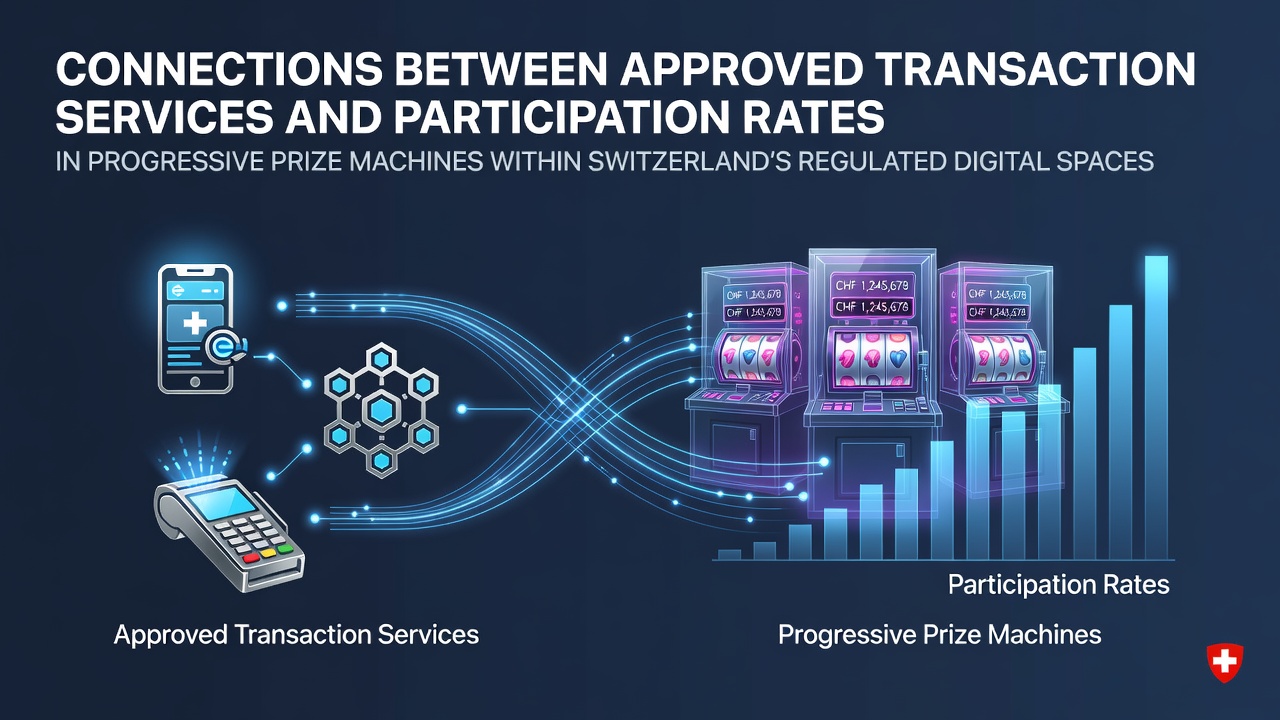
Connections Between Approved Transaction Services and Participation Rates in Progressive Prize Machines Within Switzerland's Regulated Digital Spaces
Switzerland maintains a tightly controlled framework for online gambling where licensed operators must route all financial activity through approved transaction services, and this setup directly shapes how players engage with progressive prize machines that accumulate jackpots across networked games. Data collected by federal authorities reveals measurable differences in participation rates depending on which payment methods receive regulatory clearance, particularly since the 2019 Gambling Act took full effect and required verification of every transaction channel used within the country's digital spaces.
Regulatory Framework Governing Digital Gambling Transactions
The Federal Act on Gambling and the associated ordinances assign oversight to the Federal Gaming Board, which evaluates and approves transaction services based on security protocols, anti-money laundering compliance, and traceability standards before any operator can integrate them into platforms offering progressive jackpots. Operators must demonstrate that each service supports real-time reporting to regulators, and this requirement has led to a narrow list of permitted methods that include specific bank transfers, prepaid cards, and certified e-wallets; participation data indicates higher engagement with progressive prize machines when players use these verified channels because the approval process itself signals reliability to users who then allocate larger portions of playtime to jackpot-building games.
Approved Transaction Services and Their Technical Integration
Approved services undergo periodic audits that examine encryption levels, transaction speed, and compatibility with player verification systems, while operators report that seamless integration reduces friction during deposits and withdrawals, thereby sustaining longer sessions on progressive machines. Figures released by Swiss regulatory bodies show that platforms supporting multiple certified services experience steadier participation rates across jackpot titles compared with those limited to fewer options, and this correlation appears because players who encounter fewer interruptions in funding their accounts tend to contribute more frequently to growing prize pools that reset only after major wins.
Progressive Prize Machines in the Swiss Context
Progressive prize machines in regulated Swiss environments link multiple titles across different operators under strict licensing conditions that cap contribution percentages and mandate transparent seed amounts, creating pooled jackpots that can reach significant sums before distribution. Participation rates in these machines fluctuate according to the transaction services available because certain approved methods allow quicker top-ups during active play, and analysts tracking player behavior note that users who rely on instant, regulator-approved transfers maintain higher average stakes per spin than those restricted to slower settlement options.
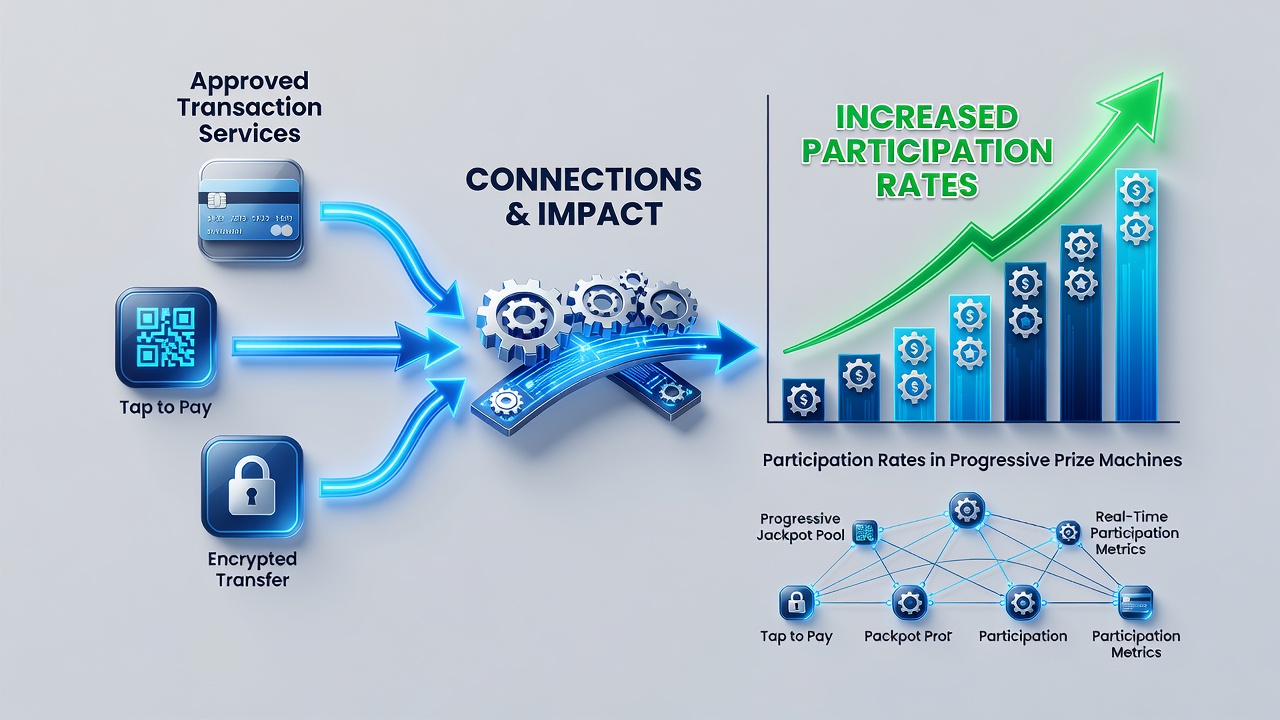
Observed Connections Between Payment Approvals and Participation Metrics
Studies conducted by Swiss academic institutions and cross-referenced with operator reports demonstrate that participation in progressive prize machines rises when players gain access to a broader set of approved transaction services, particularly those enabling recurring deposits without additional verification steps at each interval. As of October 2026, updated compliance guidelines have further streamlined approval for certain digital wallet providers, and preliminary figures indicate corresponding upticks in jackpot contributions from accounts using these newly cleared services; the pattern holds because reduced administrative hurdles allow players to respond immediately to growing prize pools rather than pausing to switch methods or complete extra checks.
Researchers tracking segmented data find that participation rates differ notably between demographic groups when transaction service variety is limited, with younger users showing stronger preference for mobile-integrated approved wallets that connect directly to progressive machines. Government statistics compiled through the Federal Department of Justice and Police highlight how regulatory emphasis on transaction traceability has indirectly supported higher engagement levels by fostering an environment where players perceive lower risk in committing funds to shared jackpot systems.
Recent Developments and Data Trends Through Late 2026
Industry monitoring organizations outside Switzerland, including reports coordinated through the Canadian Gaming Association, have examined parallel regulatory models and noted similar linkages between approved payment channels and sustained participation in progressive formats. Within Switzerland itself, the addition of new transaction services to the approved roster during 2026 has coincided with stabilized participation curves on progressive machines, as operators adjust marketing and interface designs to highlight these compliant options. Observers note that the connection remains consistent even when jackpot sizes vary, suggesting that the reliability of the underlying transaction layer exerts more influence on player behavior than the absolute size of any single prize pool.
Conclusion
The interplay between approved transaction services and participation rates in progressive prize machines within Switzerland's regulated digital spaces rests on regulatory requirements that prioritize security and traceability, which in turn shape player access and engagement patterns. Data from multiple monitoring sources continues to document these relationships, and ongoing adjustments to approved service lists will likely produce further measurable shifts in how participants interact with networked jackpot systems through the remainder of 2026 and beyond.